
Amsterdam
Canals, neighbourhoods and museums on the IJ
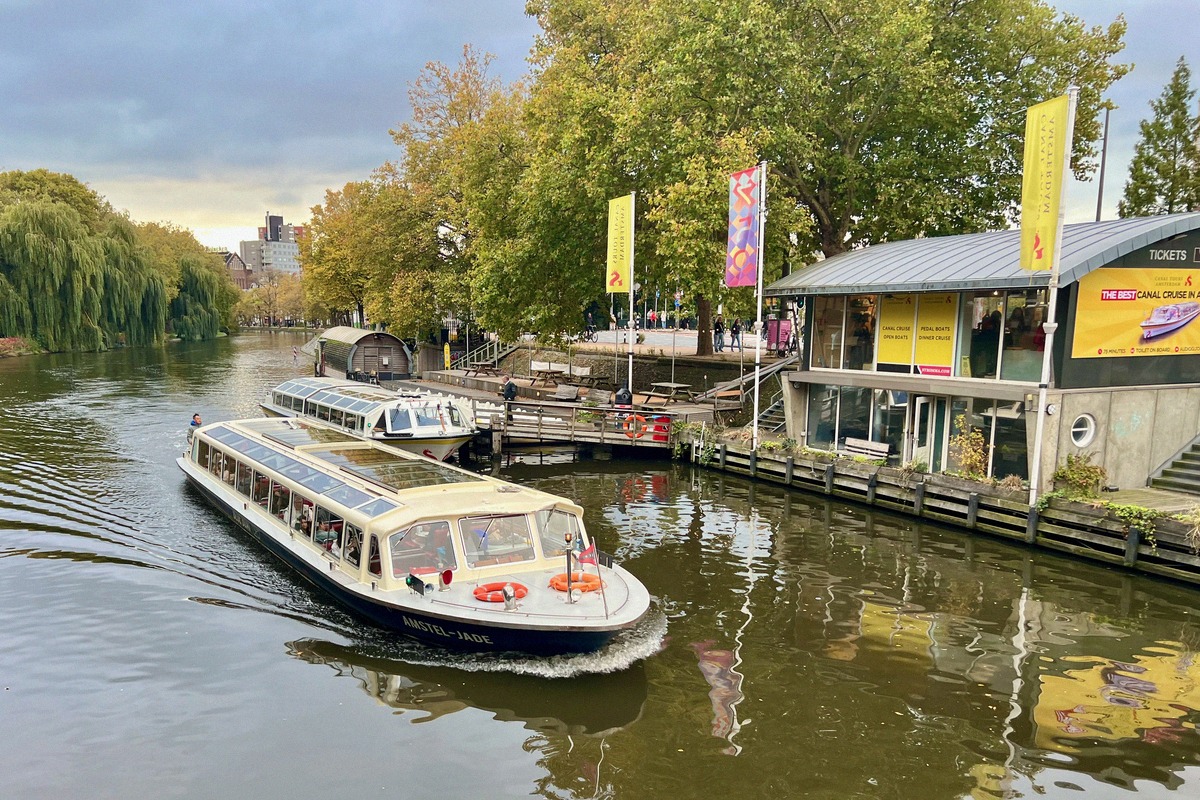
Amsterdam grew around canals, with its seventeenth-century canal belt wrapping around the older centre. Museumplein lies to the south; across the IJ, ferries connect Centraal with Noord.
Amsterdam forecast
Forecast for Amsterdam
Loading the forecast…
On this page
The canal belt and the city centre
The canal belt is a planned extension of Amsterdam, built mainly in the seventeenth century to the west and south of the older city. Its concentric waterways and rows of gabled houses explain the shape of the centre better than a list of monuments. A walk along a canal, then across a few bridges, gives changing views of the same streets.
Centraal is a useful starting point for the old centre and Dam Square. Farther west, the Prinsengracht borders the Jordaan, where narrower streets contain cafés, galleries and small shops. The Anne Frank House stands on this side of the centre. Its timed reservation needs its own place in the day; passing the building is quite different from entering the museum.
Museumplein and the main museums
South of the canal belt, Museumplein brings two very different collections close together. The Rijksmuseum places Dutch paintings alongside objects from the country’s history. The Van Gogh Museum follows one artist through paintings, drawings and his relationship with contemporaries.
For a short stay, one substantial museum visit leaves more room for the city outside. Two museums can work for an art-focused day, provided the booked start times leave space for a meal and a pause between collections.
Neighbourhoods and places to stay
Accommodation near Centraal suits an early train or repeated rail trips. The canal belt and Jordaan put walks and cafés close at hand. De Pijp, south of the centre, has the Albert Cuyp market and Sarphatipark, with a different setting from the canal streets. Noord is across the IJ: the precise location of a hotel matters, because a waterfront ferry landing and an address farther inland mean different journeys.

One or two days in Amsterdam
With one day, a booked morning museum and an afternoon in the canal belt make a manageable combination. With two, keep the second morning for the Jordaan and, if reserved, the Anne Frank House. An alternative second day is the free ferry crossing behind Centraal to Noord, followed by time by the IJ. These are choices rather than a sequence of compulsory stops.
The I amsterdam City Card is most relevant when several included visits fit the same stay. It adds little to a day devoted to canal walks.
Arriving and getting around
NS trains connect Schiphol with Amsterdam Centraal in about 17 minutes. Trams, metro and buses cover the longer urban journeys; the IJ ferries serve a different purpose from sightseeing cruises. Public transport in Amsterdam explains the airport connection and ticket boundaries. A spring excursion to Keukenhof needs a separate day plan outside the city.
Weather and outdoor visits
The KNMI national forecast gives the outlook for the Netherlands in Dutch, with a link to weather warnings. A museum reservation fixes an indoor part of the day; the canal walk or a ferry crossing can fit around the conditions.
Museums in Amsterdam
All places on the map as a list (3)
Sights and museums
Plan your Amsterdam visits
Rijksmuseum
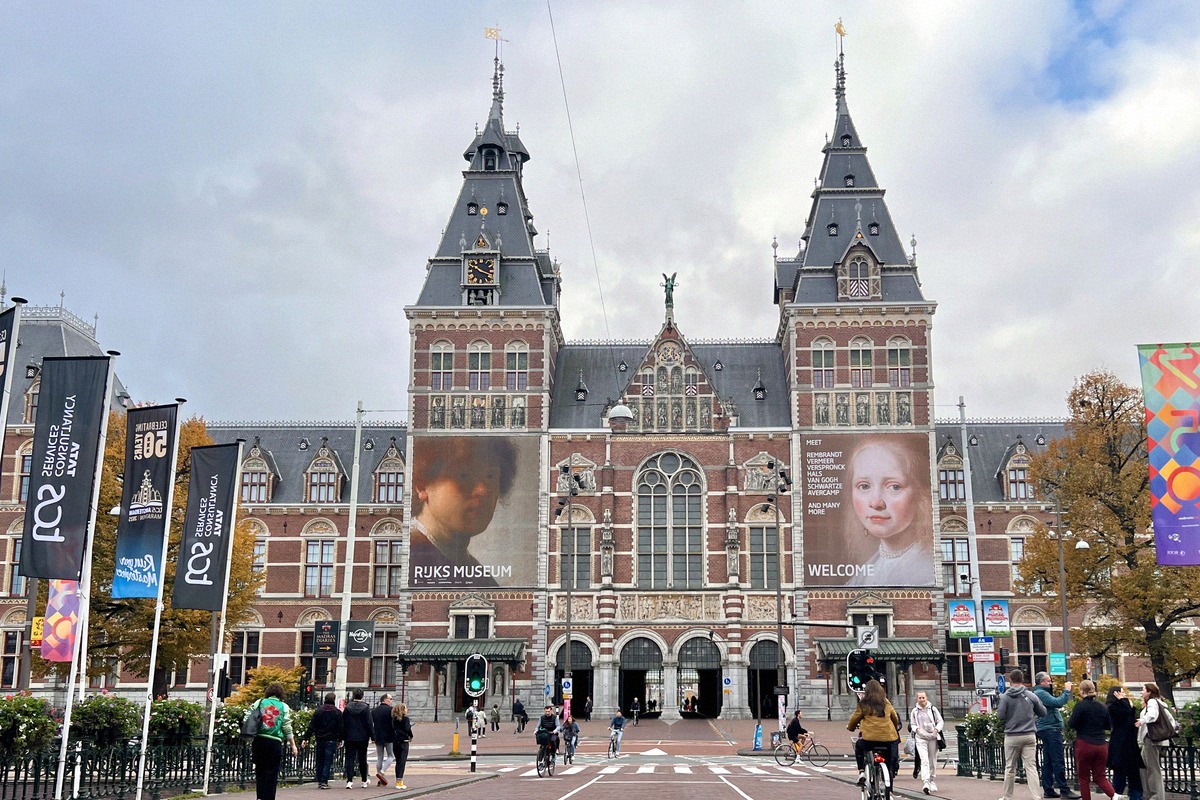
The Rijksmuseum brings Dutch paintings and historical objects together at Museumplein. Rembrandt and Vermeer are part of a much broader collection, so a focused visit works better than trying to cover every gallery.
Van Gogh Museum
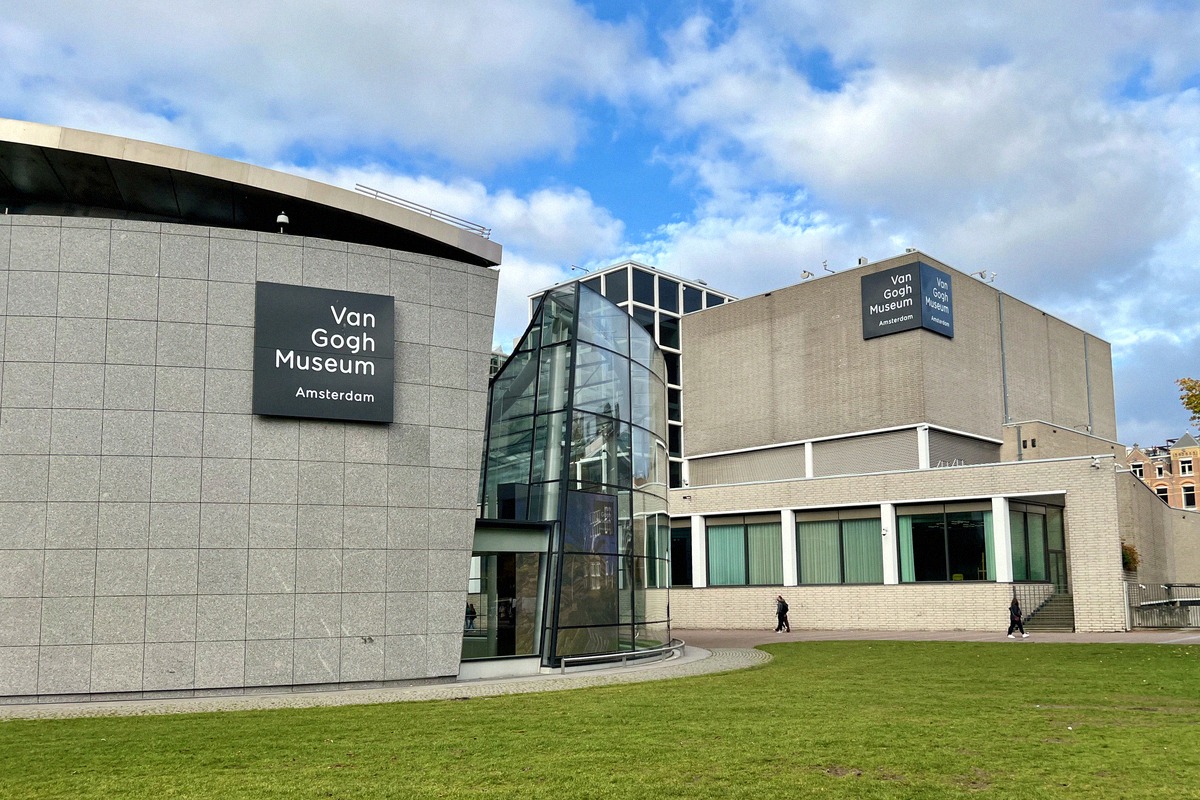
The Van Gogh Museum follows Vincent van Gogh through his paintings and the artists around him. Its collection includes The Potato Eaters, Sunflowers and Almond Blossom; entry uses a ticket for a selected date and start time.
Anne Frank House
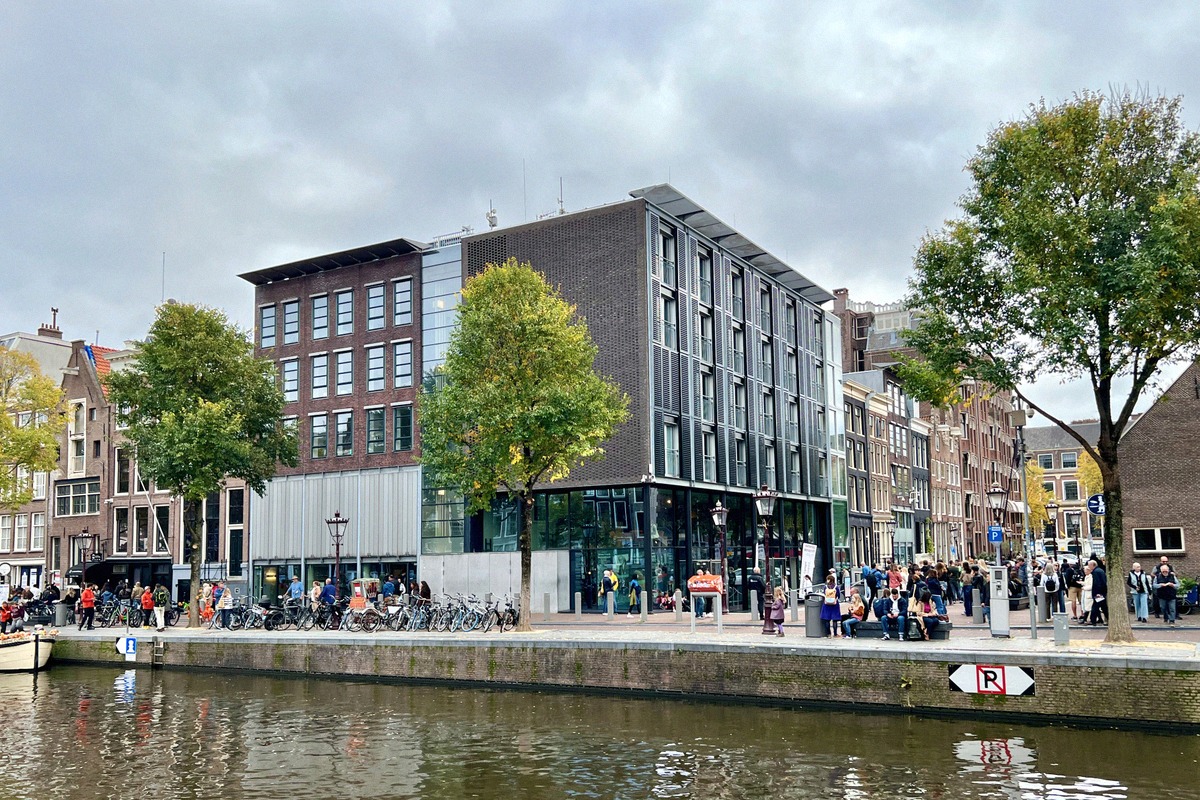
The Anne Frank House preserves the place where Anne Frank and seven others hid during the Nazi occupation. The museum connects the empty rooms of the Secret Annex with her diary, original objects and the history of persecution.
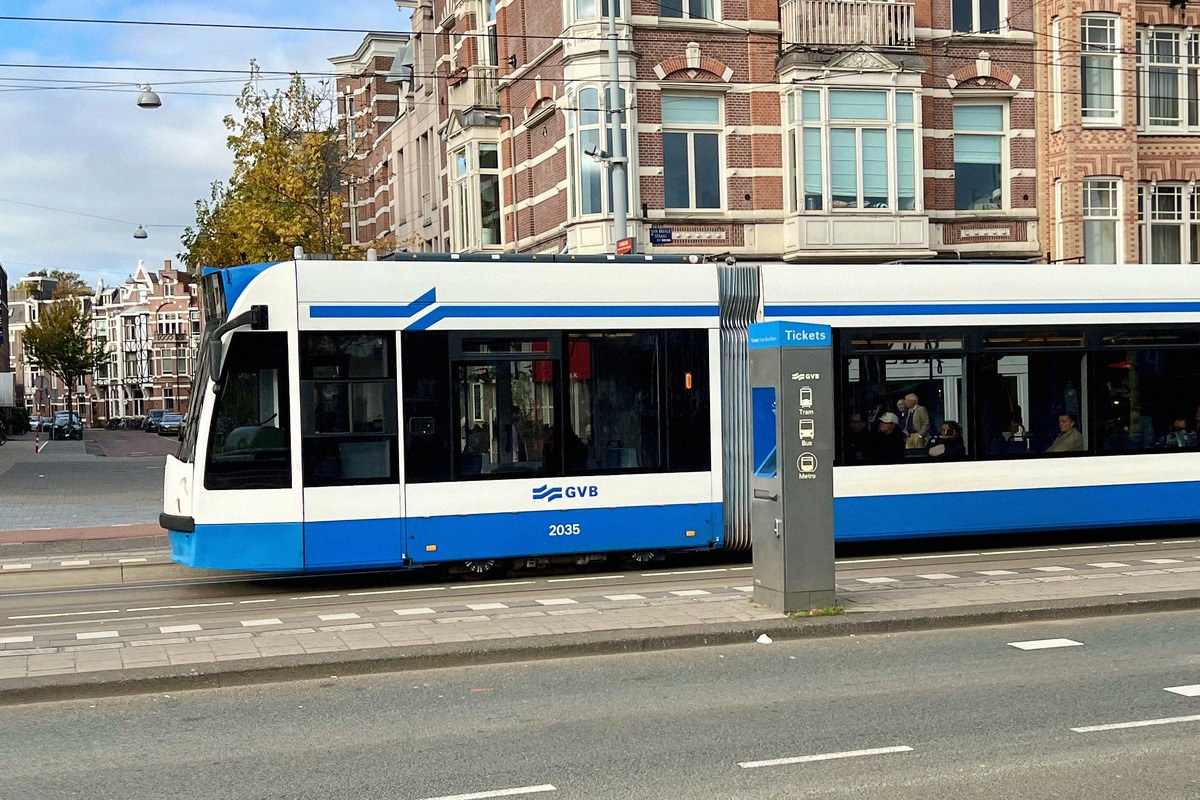
Public transport in Amsterdam
Amsterdam’s trams, metro and buses serve different parts of the city. GVB travel tickets cover GVB services; the NS train and Connexxion Airport Express from Schiphol require a separate ticket or suitable airport product.
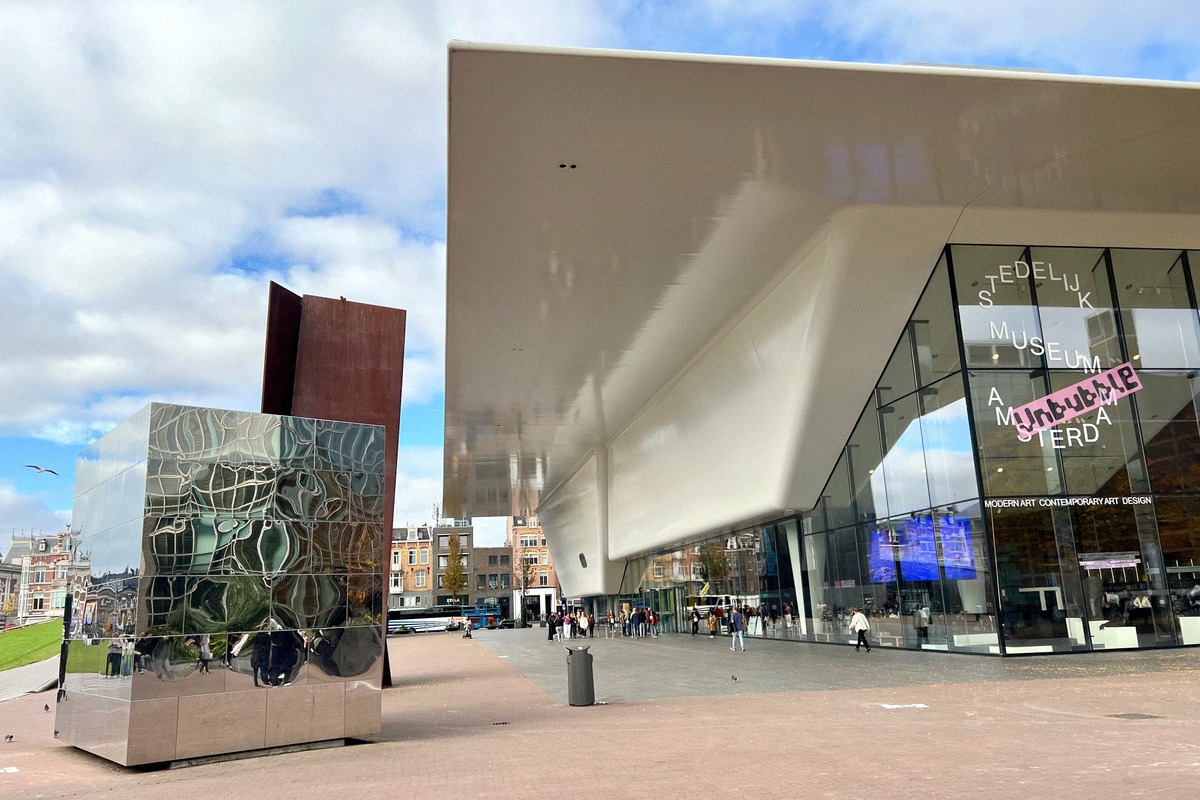
I amsterdam City Card
The I amsterdam City Card can suit a visit with several included museums. Total Experience includes GVB transport; Explorer covers a chosen number of activities without public transport. Van Gogh Museum and Anne Frank House visits need separate tickets.
Weather forecast: Meteonomiqs.